A garment that looks clean when you put it away may not look the same when you unpack it next season. Yellowing can seem to appear out of nowhere, but in some cases, the conditions that lead to it were already present before the garment went into storage.
Invisible or overlooked traces of sweat, body oils, food, and other soils can remain on fabric for months. That makes proper cleaning an important step when preparing seasonal clothing for long-term storage.
So before you close the storage bin or garment bag, take a moment to prepare your clothes properly. Here’s what can cause yellowing and what you can do before storage to help protect your wardrobe.
Why do clothes turn yellow in storage? In many cases, the cause is already on the garment before it ever goes into the box, including invisible residue left behind by normal wear. The Dry Cleaning and Laundry Institute International (DLI) warns that garments put away seemingly clean can later develop discoloration because unseen spills and food particles can cause damage over time.
That's the reframe worth sitting with for a second, since it changes what actually matters right now. The clothes currently spread across the bed or folded into a pile, about to get packed away for the season, may still carry residue even when they don't look visibly dirty. Cleaning before packing is one of the most important steps to prevent stains and discoloration from showing up later.
Once a stain has aged in storage, it can become harder to remove. That makes the period before packing the best time to inspect and clean seasonal garments rather than waiting to see what they look like months later.
A garment can look and smell clean while still carrying residue from normal wear or an unnoticed spill. Some of those substances can eventually contribute to discoloration or fabric damage.
Body oil and perspiration frequently collect around collars, cuffs, and underarms because those areas have the most direct contact with skin. The residue may not always be obvious immediately, but DLI notes that perspiration and body oils can weaken fabric and cause color changes over time.
This isn't necessarily a hygiene issue. It's simply one reason garments should be properly cleaned before spending months in storage.
Deodorant and antiperspirant also can affect fabric around the underarms. Personal care products contain ingredients that may interact with dyes or leave residue on clothing, particularly when they come into direct contact with the fabric.
Allowing these products to dry before dressing and cleaning garments appropriately before storage can help reduce the chance of discoloration developing later.
Perfume, lotion, hairspray, and other personal care products can also affect dyes and fabrics. Depending on how they're applied, residue may collect around areas such as the neckline, shoulders, and upper portion of a garment.
A piece doesn't need to look stained immediately for those substances to matter later.
Starch creates another concern for garments headed into long-term storage. The American Cleaning Institute (ACI) specifically advises against starching seasonal garments before putting them away because starch can provide nourishment for insects.
That makes cleaning and proper rinsing more important than trying to make stored clothing look freshly pressed before packing.
Whether or not home washing is enough depends on the garment itself. Many everyday washable pieces can be successfully prepared for storage at home when they're cleaned according to the care label and thoroughly dried.
Other garments, particularly those labeled for dry cleaning or made from delicate fabrics or structured construction, may need professional care instead.
The important point isn't that every seasonal garment needs dry cleaning. It's that every garment should receive the cleaning method appropriate for its care instructions before long-term storage.
Home laundering is appropriate for many washable garments and can effectively remove ordinary soils when the correct detergent, water temperature, cycle, and garment-care instructions are followed.
Professional cleaning becomes relevant when the care label calls for it, when the garment has delicate or structured construction, or when you're dealing with a stain that hasn't responded safely to ordinary laundering.
Cleaning first is important, but storage conditions still matter. Heat, moisture, and prolonged exposure to light can contribute to fabric deterioration, discoloration, mildew, or fading.
An interior storage area that remains cool, dark, dry, and well-ventilated is generally a better choice than a hot or humid attic or garage.
The container matters, too. ACI recommends cleaning seasonal clothing thoroughly and storing it in a cool, dark, dry, well-ventilated area. It also advises avoiding plastic bags or bins because they can trap air and moisture and create an unsuitable environment for clothing.
The thin plastic bag from the dry cleaner isn't intended for long-term storage either. For garments that need to remain covered, a breathable fabric garment bag is a better long-term option.
Put all of this together, and the actual sequence is short:
Worn since the last cleaning? Check whether or not it needs cleaning first. Fully dry, including seams and linings, not just the surface? Appropriate storage for the garment? Cool, dark, and dry rather than a hot or humid attic or garage?
If any answer is no, that's the one thing worth fixing before everything gets packed away.
For anyone who's already lived through pulling a yellowed piece out of storage (and there's a good chance that's exactly what brought up this article in a search in the first place), the honest answer is that successful stain removal depends on the fabric, the substance involved, how long it's been there, and the treatments that have already been attempted.
A professional assessment can be a more useful first move for a delicate or dry-clean-only garment than experimenting with several treatments at home. The sooner the cleaner knows what may have caused the discoloration and what has already been tried, the better informed the treatment decision.
Cadillac Cleaners also has more guidance on what happens to garments after months in storage, including storage habits for suits, coats, formalwear, and other pieces that may spend long stretches unworn.
About to pack away your seasonal wardrobe? Take one more look before everything goes into storage. A garment that looks clean can still have unnoticed stains or residue that may become more visible after months in the closet.
For customers in Bartlesville, Oklahoma, Cadillac Cleaners offers professional dry cleaning for everyday clothing, workwear, and delicate pieces. Our garment care services also extend across our broader service area, so customers beyond Bartlesville can prepare their seasonal clothing for storage, too.
Bring us the pieces that need professional care before you pack them away, and get them ready now for the next time you need them.
📍 2525 SE Washington Blvd, Bartlesville, OK 74006
📞 +1 918-333-5800
📧 info@cadillac-cleaners.com
Red wine stains on formal suits don't become permanent because of the wine. They become permanent because of the two minutes immediately after – the rubbing, the water, the salt poured from the table, the napkin wrung across the fabric. Those first responses feel helpful and cause most of the lasting damage.
The wine itself is manageable, even on fine wool. The panicked cleanup is what a dry cleaner has to reverse. Here's what to do instead, in the order you need to do it.
Stop. Do not rub the stain. This is the most common mistake and the one that does the most immediate damage.
Rubbing does two things, both bad:
Blotting lifts out the liquid instead of pushing it around. Here is the correct technique:
Get this right in the first 60 seconds and your odds of full removal improve dramatically.
If you are near a bar or a sink, club soda or plain cold water can help dilute the wine before the tannins bond to the fabric. Apply with a cloth, not by pouring directly. A small amount goes a long way.
Do not use salt. This tip circulates constantly and it is consistently wrong for suits. Salt draws the stain outward on wool and structured fabrics. It can also stiffen the material and leave behind discoloration.
On a linen tablecloth, it has some logic. On a tailored suit jacket, it makes things worse. Leave it on the table.
The internet has no shortage of DIY stain removal advice. But almost none of it was written with structured wool suiting in mind.
Any of these applied before professional assessment does not just risk not working. It can chemically alter the fabric in ways that make professional removal harder or impossible.
A structured jacket is built around a canvas interlining that gives it shape at the chest, lapels, and shoulders. Water and machine agitation collapse that structure permanently. The jacket may be technically stain free after a wash, but it will never sit, drape, or hold its shape the same way.
Heat sets the stain. Steaming drives both heat and moisture into the fiber simultaneously. A stain a dry cleaner could have treated becomes significantly harder to address after this.
Red wine stains are tannin stains. Tannins are plant-based compounds that bond aggressively to protein fibers, and wool is a protein fiber. This is why red wine on a suit behaves differently than on a cotton shirt.
Professional dry cleaners use tannin-specific pretreatment agents, either enzyme-based or solvent-based, calibrated for the fabric type and the age of the stain. This is not a stronger version of what you find under your kitchen sink. The chemistry is genuinely different. These solvents break down the tannin bond at the fiber level, something no home product replicates.
Here is an honest breakdown based on stain age:
A cleaner who tells you every stain is guaranteed to come out tells you what you want to hear. A cleaner who factors in age and prior treatment tells you how it actually works.
Take in the suit within 24 hours. That window is when recovery rates are highest and treatment options are widest.
When you drop it off, give the cleaner the full picture. The more information they have, the better the outcome:
This information directly shapes the pretreatment approach. A cleaner working with context will make better decisions than one guessing from a dry, set stain with no history.
You don't want one accident to damage an expensive formal suit, do you? Cadillac Cleaners provides expert stain evaluation, fabric-specific treatment, and convenient Pickup and Delivery Service, so your clothes are handled with care from the moment you hand them over.
Accidents happen, but they don't have to leave a lasting mark. Schedule a Pickup and Delivery Service today and let us restore your suit.
Contact Details:
📍 2525 SE Washington Blvd, Bartlesville, OK 74006
We all have pieces that, although we don’t wear them often, we’re not ready to let go of them either. A blazer for interviews, a dress for weddings, or a coat reserved for colder months sit untouched for stretches of time. When you take it off the hanger, it may seem clean but not quite fresh. Something about the fabric feels slightly different from what you remember.
What you’re noticing is often the result of months spent in storage. In this post, let’s find out how fabric responds to that time away and how dry cleaning helps correct it.
When clothes sit in your closet or storage for months, they do not stay exactly the same. The fabric can get slightly flattened from hangers or tight folds, especially in structured pieces such as jackets and trousers.
They also pick up everyday odors from the room, whether from cooking or the stale air inside a closed closet. Even if the item looks clean when you put it away, leftover body oils can settle deeper into the material, making it feel dull or a bit stiff.
You might not notice these changes right away, but you will likely feel the difference once you put the garment back on.
To reduce the impact of inactivity, pay close attention to how you store your garments:
Proper storage reduces fiber flattening and odor buildup, but it cannot prevent them entirely. Clothes that sit unworn lose freshness as fabrics compress, absorb smells, and retain oils. That is why dry cleaning often restores more than just appearance.
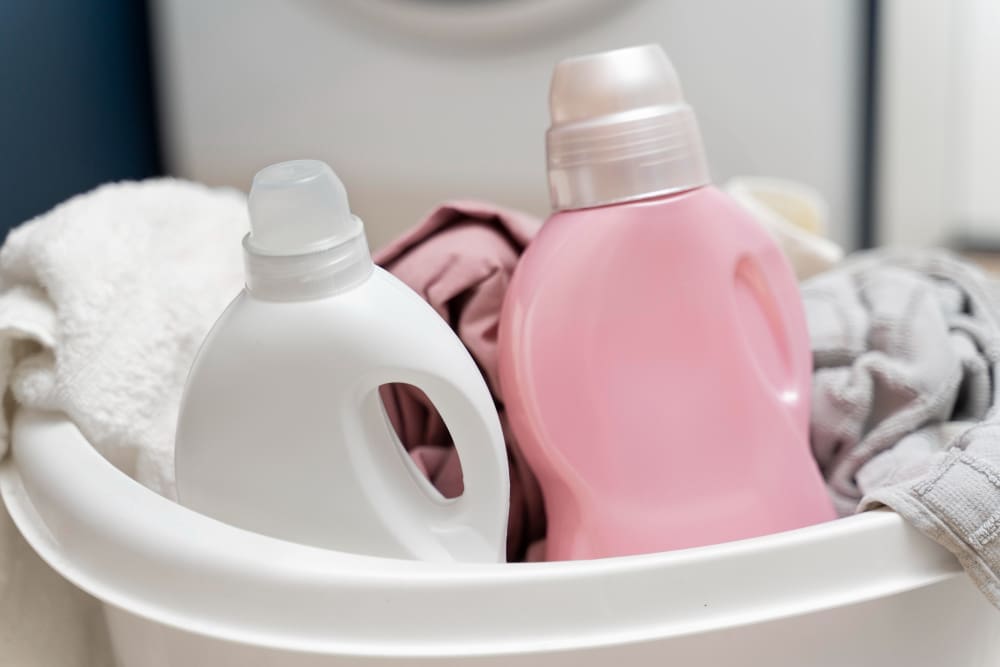
Yes, dry cleaning can remove odors that build up in clothes while they are in storage, especially those caused by oily residue. Smells tend to cling to fabric because oils hold on to scent particles deep in the fibers.
That is why closet mustiness, stale air, or even light perspiration can stick around long after you put away a garment. Letting clothes air out might freshen the surface, but it usually does not fix what is trapped inside the fabric.
Dry cleaning works differently, using solvents that break down and lift oily buildup more effectively than regular washing.
Here is how professionals approach odor removal during dry cleaning:
By targeting the residue that holds odor in place, professional dry cleaning delivers a deeper and more reliable refresh than surface-level solutions.
When your garments sit unused, they can start to lose their shape. You may notice the fabric flattening around the shoulders, waistbands, or hems, causing clothing to hang unevenly. Structured pieces such as suits can look slightly deflated, and pleats or creases may lose their sharp lines. Lapels and collars can soften, giving the entire garment a tired appearance.
Dry cleaning does more than remove surface dirt. It helps bring back the shape and drape you expect when you put it on.
Professional finishers use specific techniques to restore structure and balance:
With the right heat and pressure, fabrics respond and settle back into place. When the drape is restored, your clothing fits better, moves naturally, and looks noticeably sharper. In the end, dry cleaning helps your garment look like itself again – not just cleaner, but properly structured.
Not every item in your closet needs immediate dry cleaning, but some pieces benefit from a professional refresh. If you have a suit stored between interviews, you may notice it lost its crisp look or picked up faint odors. Formalwear you put away after an event can show slight discoloration or feel stiff under bright lights. Your wool coats and silk dresses may also lose their shape or freshness while sitting unused.
Since you wear these garments for important occasions, dry cleaning helps ensure they look polished and ready when you need them.
Before wearing a stored garment for an important occasion, consider the following:
Suits, formalwear, wool coats, and silk dresses often look better with dry cleaning before an important occasion. Professional cleaning brings back sharp lines, softness, and natural movement. A professional refresh helps protect both the fabric and the impression you want to make.
If you take clothes out of storage and they feel flat or slightly musty, a quick steam probably won't be enough. Professional dry cleaning removes trapped odors, loosens compressed fibers, and brings back the clean shape and structure your clothes should have.
At Cadillac Cleaners, we provide professional dry cleaning for everyday garments, workwear, and delicate fabrics in Bartlesville, OK and the surrounding areas. Whether it's a suit, formalwear, a wool coat, or a silk dress, we focus on consistent results and respectful garment handling, so your clothes are ready when you need them.
Drop off in store or take advantage of our pickup and delivery service for added convenience.
Turn your closet-stored garments into ready-to-wear favorites. Call Cadillac Cleaners at +1 918-333-5800 or email us at info@cadillac-cleaners.com.
You can also visit us at 2525 SE Washington Blvd, Bartlesville, OK 74006. We're here to help get your wardrobe back in shape.